Zaha Hadid: MAXXI Museum of Modern and Contemporary Architecture
Explore Zaha Hadid’s vision for MAXXI’s Museum of Modern and Contemporary Architecture (1989-2009) in Rome. Architect Margherita Guccione, director of MAXXI’s Museum of Modern and Contemporary Architecture, reflects on Hadid’s innovative use of swooping curves, impossible angles and haunting views.
Flow and drift are key concepts to the building’s design, with its dynamic, linear form echoing the streets outside and reflecting Hadid’s interest in integrating her buildings within their urban context while revitalising an existing site in the metropolis. At the same time, the organic design creates open-ended encounters with the contemporary art exhibited inside the museum.
Time Period:
21st century
Themes:
The architect Margherita Guccione is director of MAXXI’s Museum of Modern and Contemporary Architecture (MAXXI Architettura). From 2000 she supervised on behalf of the Ministry of Cultural Heritage and Activities the design and realisation of the MAXXI building designed by Zaha Hadid and was the scientific head of the nascent Museum of Architecture. In this role she set up the architecture collections, curating the acquisition of the archives of some of the leading architects of the 20th century and significant drawings, models and installations by contemporary architects. She curated the DARC’s participation in the Venice Biennale with exhibitions devoted to figures and themes from Italian architecture: Carlo Scarpa (2002), Sguardi contemporanei (2004), Workscape (2006). Further exhibitions curated in Rome include Alessandro Anselmi, superficie, piano e progetto (2004), Giancarlo De Carlo, le ragioni dell’architettura (2005) and Nature_Francesco Venezia (2011). She prepared for the opening of MAXXI with the programming of the Museum of Architecture’s inaugural exhibitions, cultural activities and events (2008-2010).
A member of the Ministry of Cultural Heritage and Activities’ technical-scientific committee for architectural and urban quality and for contemporary art and of the Joint Committee for the valorisation of the work of Carlo Scarpa, Margherita Guccione has undertaken intensive institutional and research activities regarding the conservation and valorisation of the ancient and contemporary and architectural heritage. She has directed the DARC contemporary architecture service (2002-2009) and she has also acted as Superintendent of the Architectural and Landscape heritage and the historical-artistic and demo-ethno-anthropological heritage of Caserta and Benevento (2000-2001).
She is the author of numerous papers and articles on 20th Century architecture and the relationship between contemporaneity and conservation. The principal publications she has edited include: Zaha Hadid, opere e progetti (2002), Documentare il contemporaneo, gli archivi degli architetti (2002), Il ponte e la città, Sergio Musmeci a Potenza (2003), Alessandro Anselmi, piano superficie progetto (2004), Giancarlo De Carlo, le ragioni dell’architettura (2005), Archivi e Musei di architettura (2009). Her monographic studies include: Patrimonio culturale e disastri. L’impatto del sisma sui beni monumentali (1998), Zaha Hadid, l’architettura i protagonisti (2007), Materia grigia, il racconto della costruzione (2010).
Watch more
Watch more

13:02
Brian Clarke: The Art of Light
A portrait of pioneering architectural artist Brian Clarke.

12:53
Zaha Hadid: Sketching the Future
Hans Ulrich Obrist traces how Zaha Hadid’s futuristic architecture evolved from ‘superfluid’ sketches.

07:22
Zaha Hadid: Vitra Fire Station
Rolf Fehlbaum, chairman emeritus of Vitra, discusses the visionary design of Zaha Hadid’s Vitra Fire Station, one of her most iconic early works. Completed in 1993, this groundbreaking building in Weil am Rhein, Germany, defies conventional architectural forms with its sculptural forms, sharp angles, and dramatic use of concrete. Redefining architectural boundaries, the Vitra Fire Station was Hadid’s first constructed project, marking a pivotal moment in her career and influencing generations of architects to come.
13:02
Brian Clarke: The Art of Light
A portrait of pioneering architectural artist Brian Clarke.
12:53
Zaha Hadid: Sketching the Future
Hans Ulrich Obrist traces how Zaha Hadid’s futuristic architecture evolved from ‘superfluid’ sketches.
07:22
Zaha Hadid: Vitra Fire Station
Rolf Fehlbaum, chairman emeritus of Vitra, discusses the visionary design of Zaha Hadid’s Vitra Fire Station, one of her most iconic early works. Completed in 1993, this groundbreaking building in Weil am Rhein, Germany, defies conventional architectural forms with its sculptural forms, sharp angles, and dramatic use of concrete. Redefining architectural boundaries, the Vitra Fire Station was Hadid’s first constructed project, marking a pivotal moment in her career and influencing generations of architects to come.
05:43
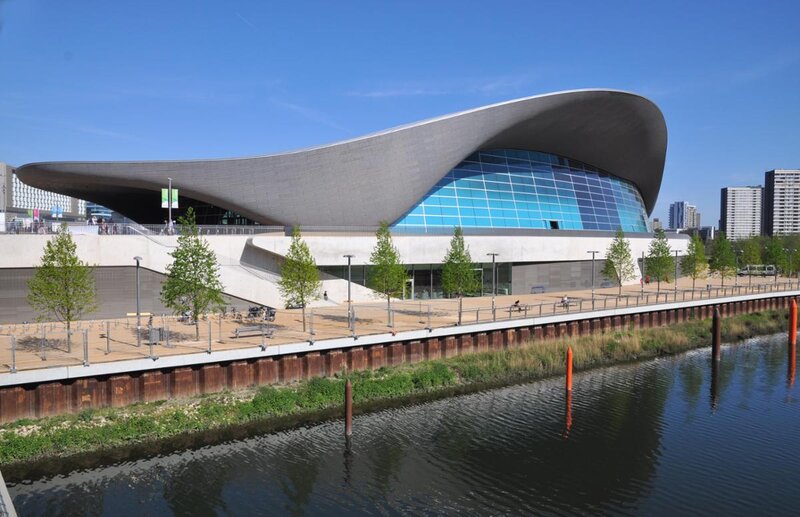
Zaha Hadid: Olympic Swimming Pool
Deyan Sudjic, Director Emeritus of The Design Museum, London discovers the breathtaking London Aquatics Centre in Stratford, London, designed by the legendary architect Zaha Hadid. Known for her futuristic, fluid forms and innovative structures, Hadid’s work transforms ordinary spaces into extraordinary experiences. Hadid won an architectural competition with her visionary design for the Olympic swimming pool for the London 2012 Olympics. This iconic venue is a true masterpiece of design, blending elegance, functionality, and cutting-edge architecture.

04:47
Zaha Hadid: The Serpentine North Gallery
In this film, Obrist steps inside one of Zaha Hadid’s most striking architectural achievements—the Serpentine North Gallery. Known for its sharp geometries, dramatic interior lines, and signature fluidity, this building reflects Zaha Hadid's pioneering approach to architecture. Designed in 2013, the gallery was Hadid’s first permanent building in London and a powerful example of her later work—unapologetically bold and sculptural. Join HENI Talks as we explore the story behind this architectural masterpiece, its design principles, and its lasting influence on contemporary architecture.

05:07
Zaha Hadid: Investcorp Building
In this film, Dr. Eugene Rogan, Professor of Modern Middle Eastern History at the University of Oxford, explores Zaha Hadid's architectural masterpiece: the Investcorp Building at St Antony's College. Discover how Hadid's innovative design seamlessly integrates modernity with Oxford's historic fabric, and how its sinuous stainless-steel form unites disparate Victorian structures while also respecting the surrounding landscape, even curving around a century-old sequoia. Completed in 2015, this building now serves as the Middle East Centre, housing state-of-the-art facilities including a 117-seat lecture theatre, library, and archive spaces. Through Dr. Eugene Rogan's expert insights, this film reveals the challenges and triumphs of introducing contemporary architecture to Oxford's traditional setting.
04:40
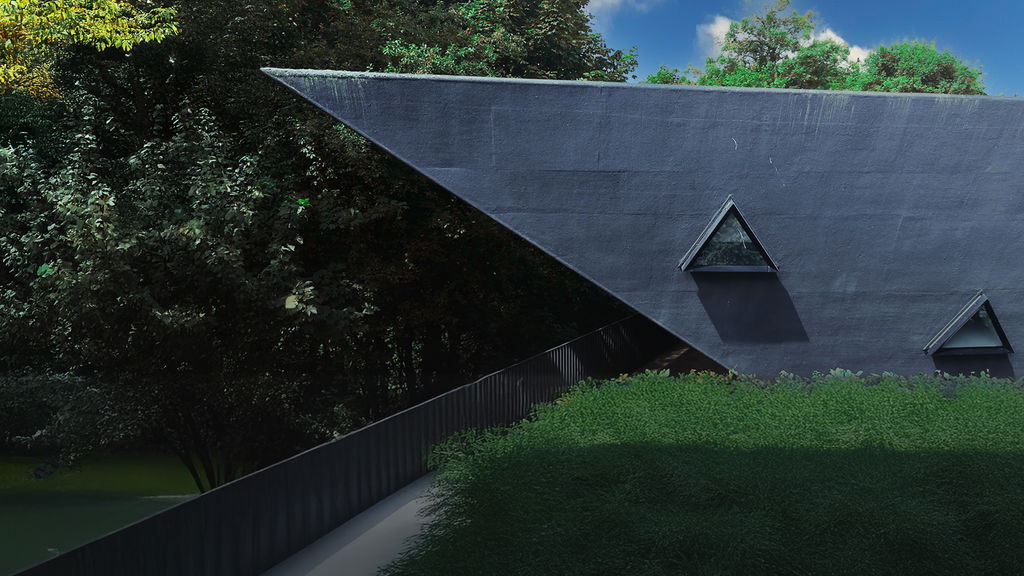
Zaha Hadid: Maggie's Centre
This film explores the architecture of Zaha Hadid through the breathtaking Maggie’s Centre. Step inside a sanctuary shaped by Hadid’s signature fluid forms and discover how her innovative use of space creates a calming, uplifting environment for patients and visitors alike. Whether you're passionate about architecture, design, or the transformative power of art in healing spaces, this is a must-watch.In this film on The Architecture of Zaha Hadid, you are invited to step inside the breathtaking Maggie’s Centre, to discover how Hadid's signature fluid forms and innovative use of space create a soothing haven for patients and visitors alike.
50:10
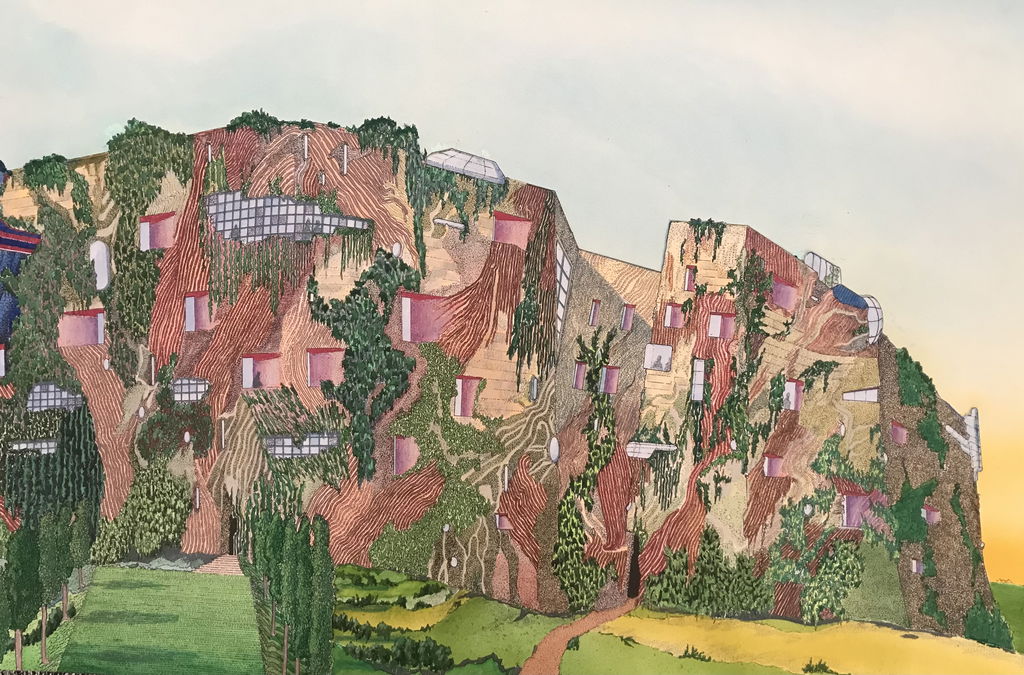
Architect Sir Peter Cook On A Lifetime Of Drawing
In this HENI Talks film, we dive into the imaginative world of Sir Peter Cook's drawings, a pioneering British architect and co-founder of the avant-garde group, Archigram in conversation with Hans Ulrich Obrist. Renowned for his radical re-imaginings of urban landscapes, Cook’s vibrant artworks offer a window into cities of the future, blending architectural precision with artistic flair. With a career spanning over six decades, Sir Peter Cook (b. 1936) has been instrumental in challenging conventional architectural norms. His work, characterised by bold colours and dynamic forms, envisions cities that are both functional and fantastical. Beyond his architectural achievements, Cook’s paintings stand as independent artworks, which are celebrated worldwide.