Van Gogh Drama Fails to Lift Blaquier-Arrieta Sale
3 min read · 25 Nov 2026
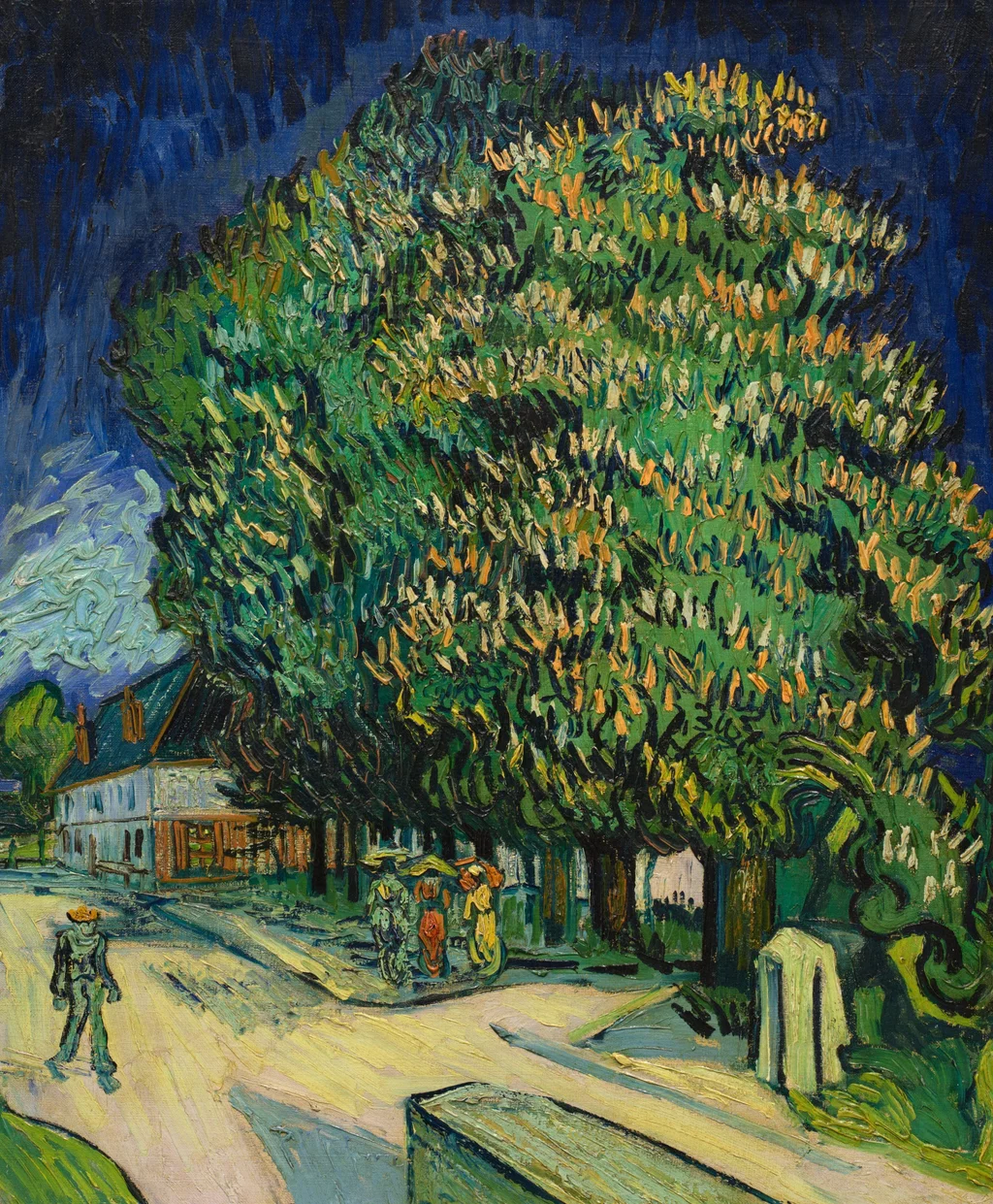
Van Gogh's Châtaigniers en fleurs (Chestnut trees in flower) sold for $190.4m, an auction record for the artist. Image courtesy of Sotheby's
To say that Vincent van Gogh’s late painting of flowering chestnut trees has a colorful backstory is an understatement. Its off-again, on-again sale at Sotheby’s New York last week added another chapter.
Titled Châtaigniers en fleurs (1890), and painted shortly before the artist's death, it sold for a record breaking $190.4m, leading the Blaquier-Arrieta collection on November 18. Nevertheless, the sale fell short of its high expectations, scoring a C- on the HENI Auction Index.
The Blaquier-Arrieta collection sale scored an average C- on the HENI Auction Index.
The painting was consigned by the heirs of Argentinian power couple Carlos Pedro Blaquier and Nelly Arrieta de Blaquier but in the run-up to the marquee week, it was claimed by heirs of the Hedwig and Samuel Fischer family, sparking reports that it might have to be withdrawn.
Lawyers, and the auction house, hammered out a mutually beneficial deal on the eve of the auction, meaning the painting reached the saleroom and made further international headlines with its record price.
Despite the drama surrounding the Van Gogh, plus 11 other works in the sale, all of which were backed by guarantees, the single-collection auction's C- score was on a par with Theodore and Ruth Baum’s collection, which also went under the hammer at Sotheby’s last week.
The sale totaled $412 million, in line with its low estimate but 264% above the average for comparable sales.
The sale totaled $412m with fees. Although in line with its low estimate, this was more than two and a half times (264%) the average for comparable high-profile, single-collection sales. The total number of lots was 85% below average.
The sale’s C- score is partly explained by disappointing metrics. The five works that sold below their low estimates lagged 39 percentage points behind the average. These included Cézanne’s painting of a harlequin, which totaled $111m with fees, 7% below its low estimate.
The three works that beat their high estimates, including the Van Gogh, were similarly 39 percentage points below average.
The share of works with strong guarantees that sold above their high estimates was 1 percentage point below average, while the share with weak guarantees was 51 percentage points above average.
No other work was withdrawn, temporarily or otherwise, and likewise no works failed to find buyers in the evening sale.
One of Van Gogh’s last paintings, it was originally owned by his brother Theo, an art dealer based in Paris and the artist’s principal benefactor.
It was bought by Samuel Fisher in 1909 and inherited by his wife, Hedwig. Their heirs claimed the painting’s sale in Amsterdam in 1936 was forced by Nazi persecution.
The canvas reached New York on the eve of World War II where it was purchased by George Gard “Buddy” DeSylva, a songwriter, music publisher, Broadway producer, and Hollywood film executive. He was also one of the three founders of Capitol Records.
The Blaquiers purchased the painting in good faith in 1975 from the New York dealer Wildenstein & Co. Its new owner has not been confirmed although the winning bid was placed on their behalf by William “Bill” Acquavella, the veteran dealer and head of Acquavella Galleries.
There were 12 lots, which is 85% below average.
Five works sold below their low estimates, 39 percentage points behind the average.
The three works beat their high estimates, 39 percentage points below average.
The share of works with strong guarantees was 1 percentage point below average.
The share of works with weak guarantees was 51 percentage points above average.
All works found buyers, which is 7 percentage points below the average.
All of the consigned works reached the saleroom, eventually, so a positive metric.
Methodology: for how the HENI Auction Index classifies collection sales, see here.

Get the HENI News Daily Art Digest delivered to your inbox