Sotheby's 19th & 20th Century European Auction Totals $5.2m
3 min read · 05 Feb 2026
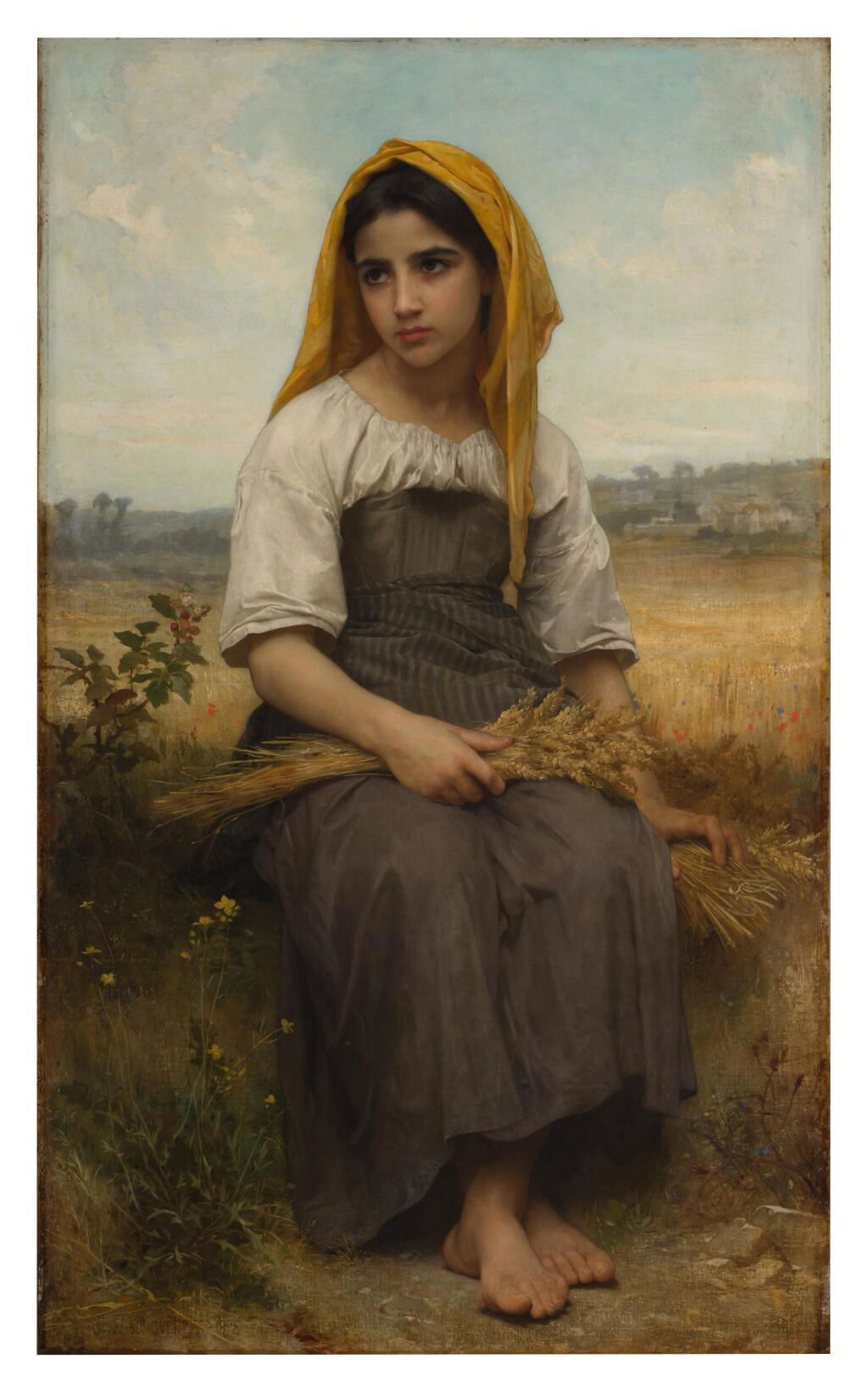
Glaneuse (Young Girl in a Wheat Field) by William Adolphe Bouguereau sold for $889,000. Image courtesy of Sotheby's
A work by William Adolphe Bouguereau was the headline sale at Sotheby's '19th & 20th Century European Art' auction on February 5 in New York.
- The sale totaled $5.22m, falling short of its pre-sale low estimate.
Snapshot of the sale
- 33 works sold totaling $5.22m.
- Estimates totaled: $6.75m (low) and $9.54m (high), excluding premiums.
- The sell-through rate was 61% of the original 54 lots announced.
The star lot was: William Adolphe Bouguereau, Glaneuse (Young Girl in a Wheat Field) (1875), which sold for $889,000, 77% above its $500,000 low estimate. It has been traded twice in the past.
The outperformer sold for 566% above its low estimate. Jean Baptiste Fortune de Fournier, Souvenir de l’Exposition universelle des Beaux-Arts de 1855 (1855), sold for $133,400 ($20,000 low estimate). It has been traded twice in the past.
- 15 works, or 45%, sold above their high estimate.
- 12 works, or 36%, sold within their low and high estimate.
- 6 works, or 18%, sold below their low estimate.
- 0 sold with undisclosed estimates.
Guaranteed sales
No sales had a guarantee.
Works that did not sell
18 works were bought-in, including: Frederic, Lord Leighton, Lady with a Pomegranate (1867), estimated at $600,000 (low) to $800,000 (high). It has been traded 10 times in the past.
Withdrawn before the sale
3 works were withdrawn before the sale, including: John William Godward, Tambourine Girl (1906) estimated at $200,000 (low) to $300,000 (high).
Terms and definitions
All results include the fees and premiums added to the price of a work of art when the auctioneer's hammer falls. Sale prices are compared to the auction house’s low estimate, which do not include premiums.
Guarantees: Sometimes an auction house guarantees to pay a seller for a work, regardless of whether the bidding reaches the reserve price, a figure that is typically confidential.
Bought-in: If there are no bids for a work, or if bidding falls short of the reserve price, the lot is unsold or “bought-in”.
Withdrawn: This happens when a seller decides, for whatever reason, to withdraw a work before the bidding begins.
Premiums: Typically a sliding-scale of charges paid in addition to the hammer price by the buyer, plus any other fees.


Get the HENI News Daily Art Digest delivered to your inbox