3 min read · 21 May 2026


Summer Day (Sommerdag) by Harald Slott-moller sold for $1.29m. Image courtesy of Phillips
A work by Harald Slott-Moller was the headline sale at Phillips 'Modern & Contemporary Art: Morning Session' auction on May 21 in New York.
The star lot was: Harald Slott-moller, Summer Day (Sommerdag) (1888), which sold for $1.29m, 4200% above its $30,000 low estimate. It has been traded twice in the past.
The outperformer sold for 4415% above its low estimate. Edvard Eriksen, The Little Mermaid (Den lille havfrue) (1910-1913) (Undated), sold for $541,800 ($12,000 low estimate). It has been traded once in the past.
Harald Slott-Moller, Summer Day (Sommerdag) (1888) sold for $1.29m, beating the artist’s previous auction record by $1.21m, a 1500% rise.
Edvard Eriksen, The Little Mermaid (Den lille havfrue) (1910-13) (Undated) sold for $541,800, beating the artist’s previous auction record by $419,400, a 325% rise.
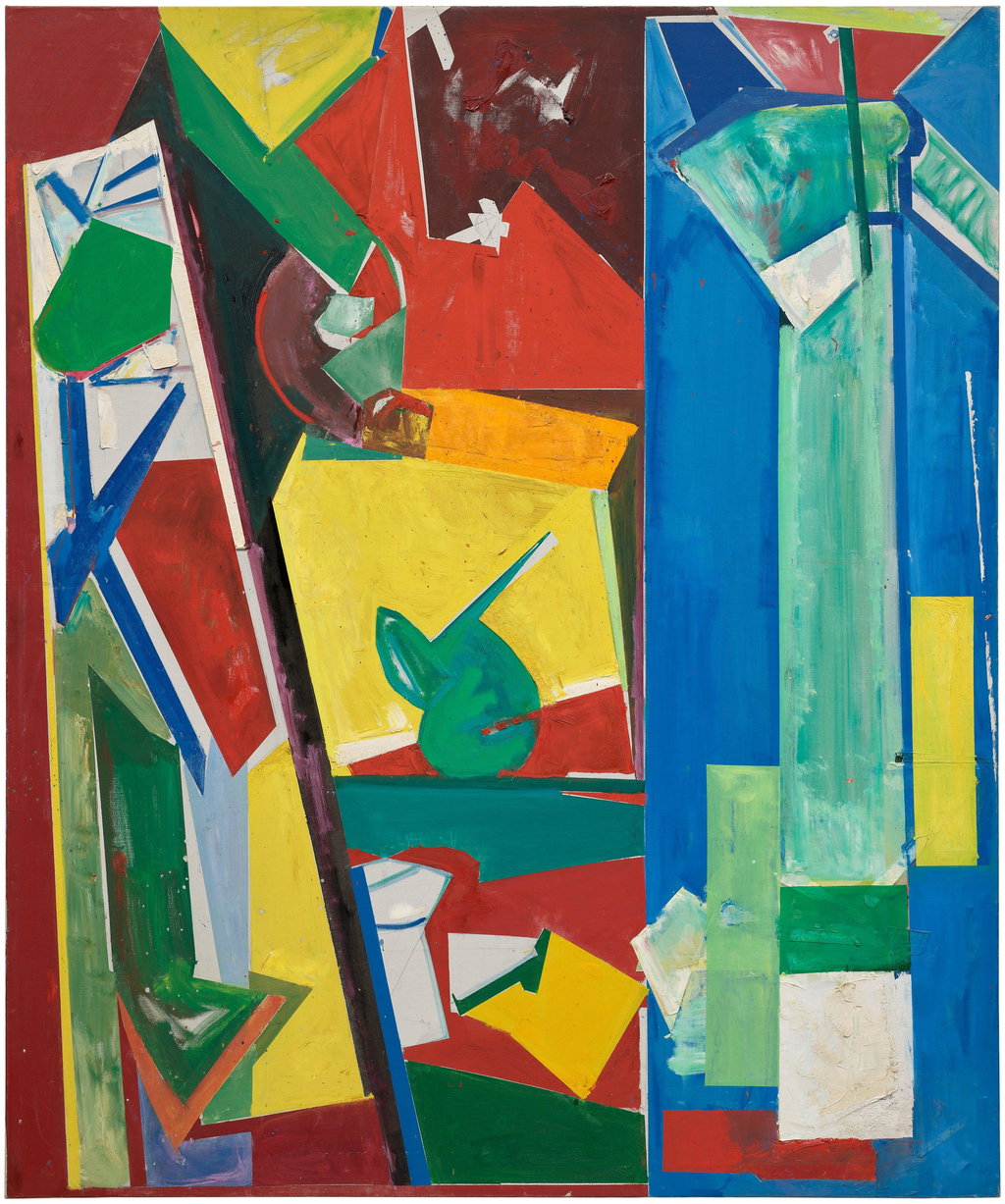
2 works were backed by guarantees, including: Hans Hofmann, The Great Interieum (1951). It sold for $361,200, 9% below its $400,000 low estimate.. It has been traded 3 times in the past.
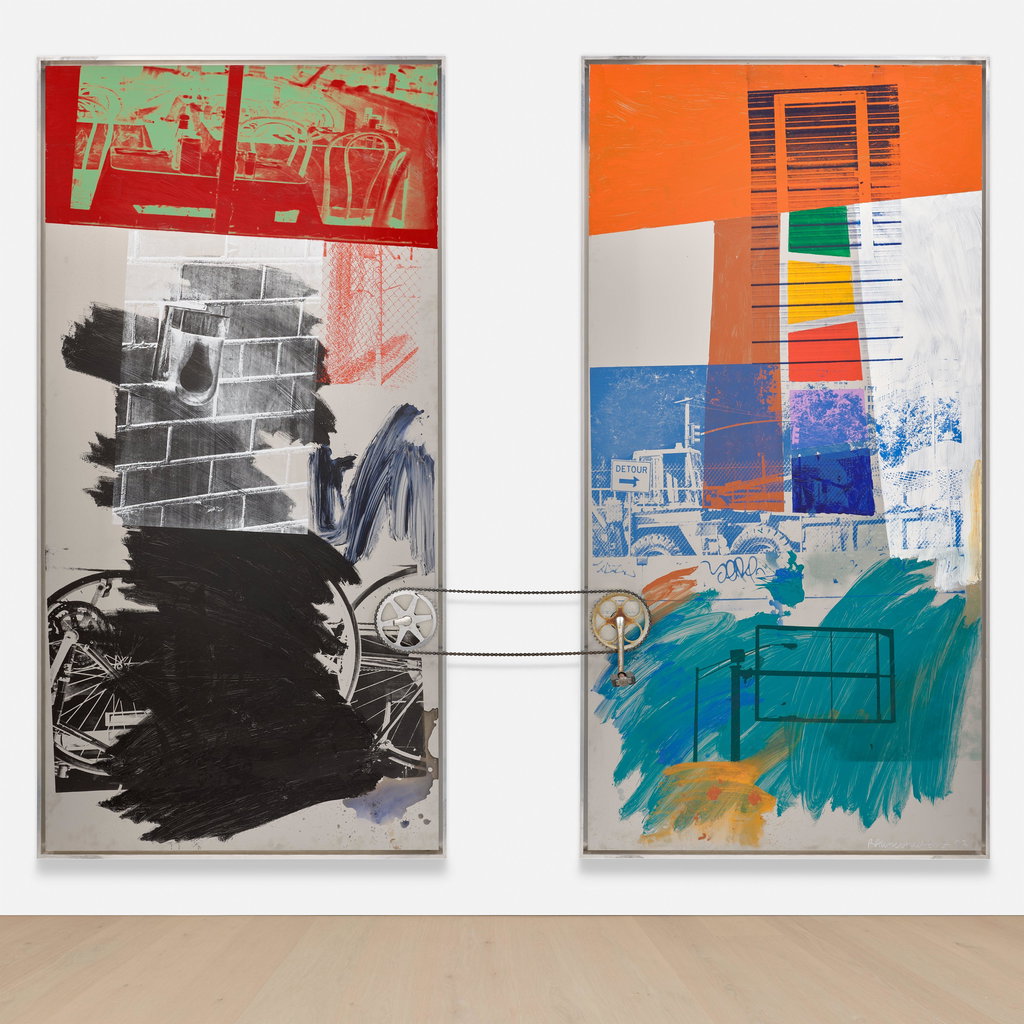
14 works were bought-in, including: John Chamberlain, Lucy Snaggletooth (1976), estimated at $400,000 (low) to $600,000 (high). It has been traded 10 times in the past.
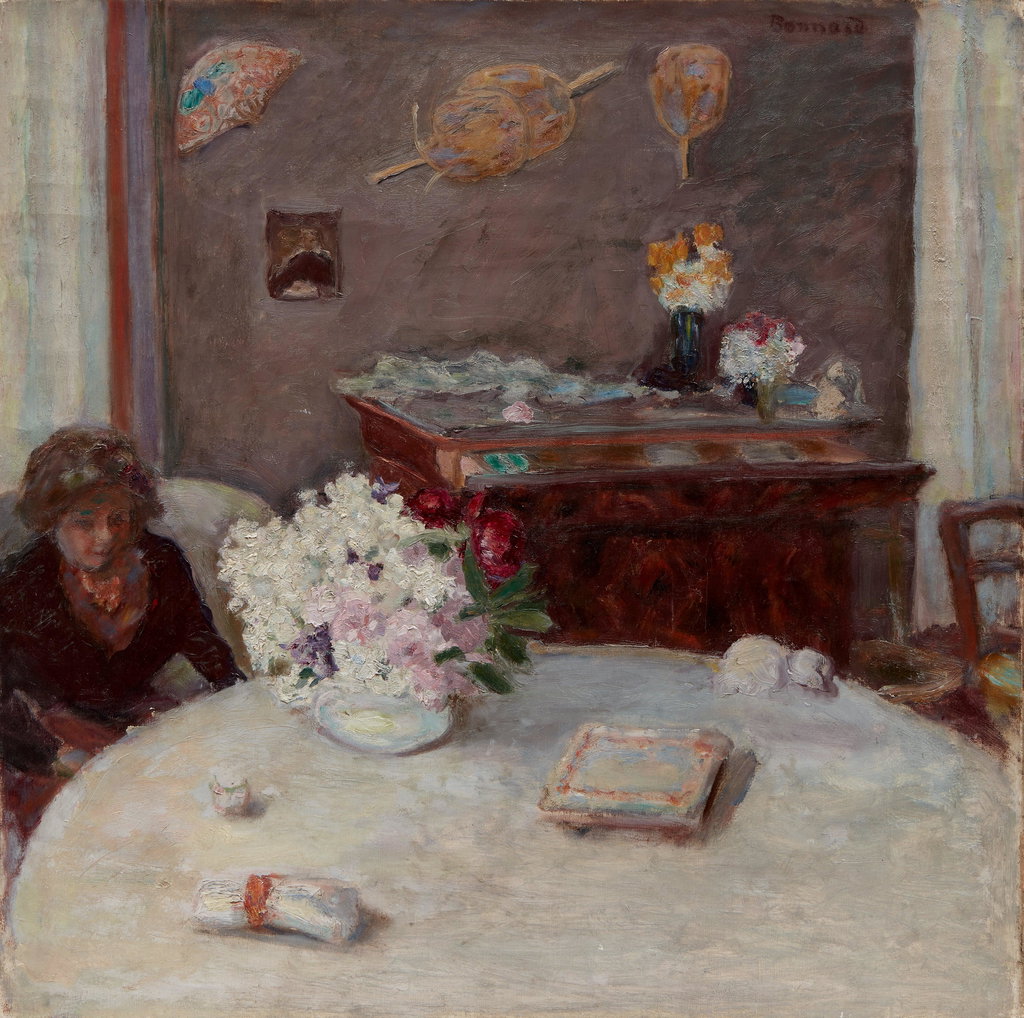
1 work was withdrawn before the sale: Pierre Bonnard, La fin du repas (1907), estimated at $650,000 (low) to $850,000 (high).
All results include the fees and premiums added to the price of a work of art when the auctioneer's hammer falls. Sale prices are compared to the auction house’s low estimate, which do not include premiums.
Guarantees: Sometimes an auction house guarantees to pay a seller for a work, regardless of whether the bidding reaches the reserve price, a figure that is typically confidential.
Bought-in: If there are no bids for a work, or if bidding falls short of the reserve price, the lot is unsold or “bought-in”.
Withdrawn: This happens when a seller decides, for whatever reason, to withdraw a work before the bidding begins.
Premiums: Typically a sliding-scale of charges paid in addition to the hammer price by the buyer, plus any other fees.
Get the HENI News Daily Art Digest delivered to your inbox