Christie's Spellbound: The Hegewisch Collection Part II Auction Totals $5.96m
3 min read · 08 Mar 2026
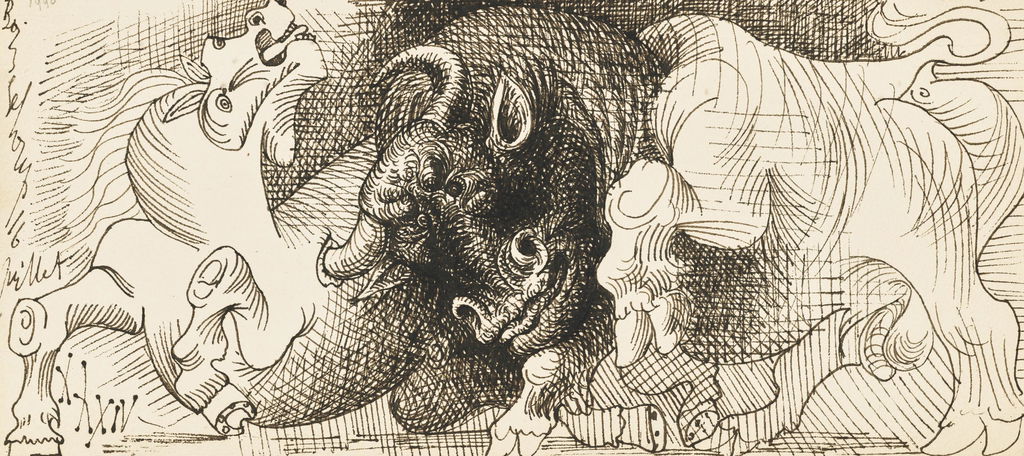
Cheval et taureau by Pablo Picasso sold for $1.15m. Image courtesy of Christie's
A work by Pablo Picasso was the headline sale at Christie's 'Spellbound: The Hegewisch Collection Part II' auction on March 7 in London.
- The sale totaled $5.96m (GBP4.46m), exceeding the pre-sale high estimate.
Snapshot of the sale
- 88 works sold totaling $5.96m.
- Estimates totaled: $2.41m (low) and $3.7m (high), excluding premiums.
- The sell-through rate was 97% of the original 91 lots announced.
The star lot was: Pablo Picasso, Cheval et taureau (1934), which sold for $1.15m, 462% above its $205,400 low estimate. It has been traded 3 times in the past.
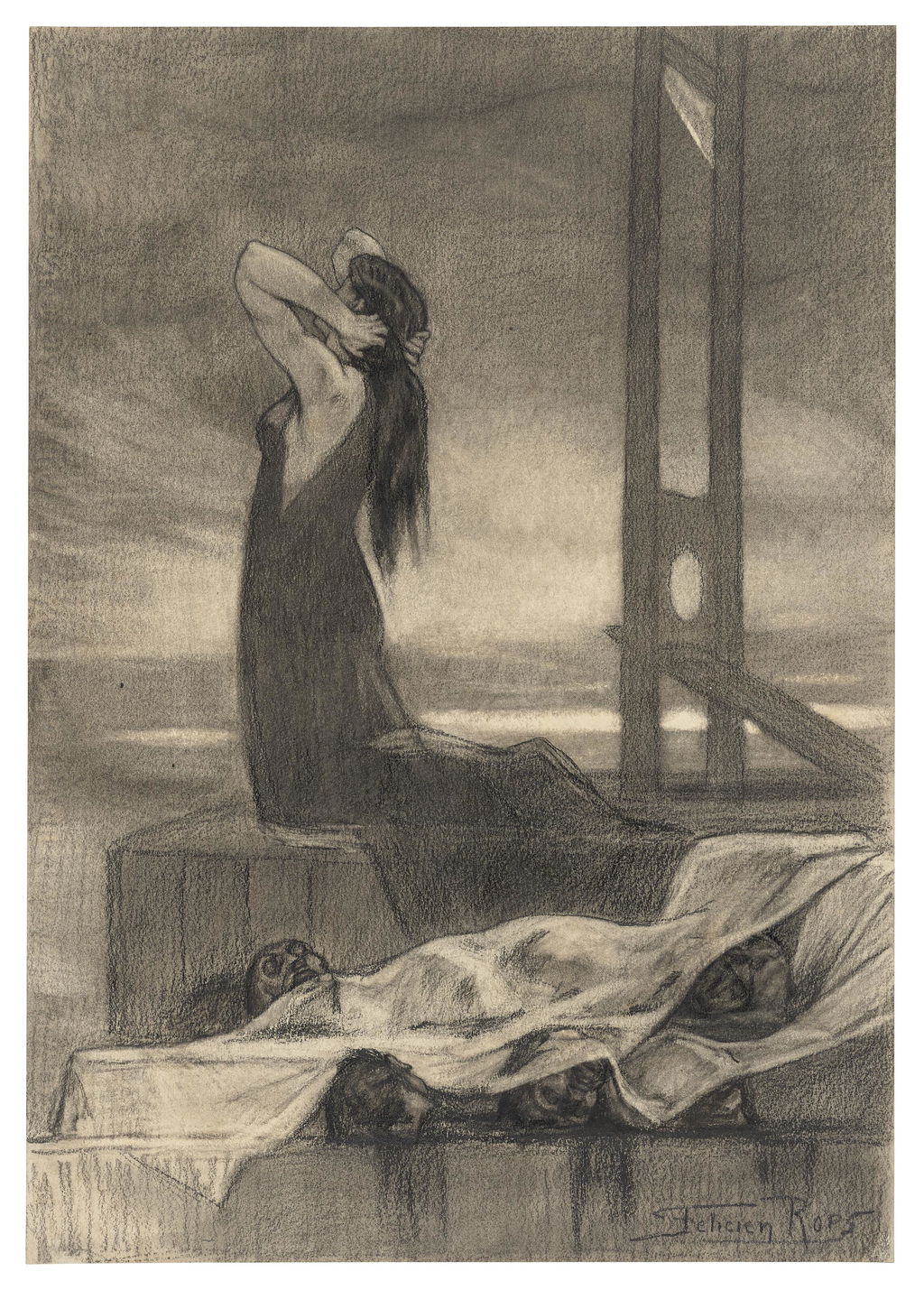
The outperformer sold for 5356% above its low estimate. Felicien Rops, La peine de mort (Undated), sold for $186,800 ($3,423 low estimate). It has not been traded before.
- 56 works, or 64%, sold above their high estimate.
- 14 works, or 16%, sold within their low and high estimate.
- 18 works, or 20%, sold below their low estimate.
- 0 sold with undisclosed estimates.
Guaranteed sales
No sales had a guarantee.
Works that did not sell
2 works were bought-in, including: Adolph Menzel, A Study of a kneeling Man for 'Friedrich II und die Tänzerin Barbarina' (Undated), estimated at $34,200 (low) to $47,900 (high). It has been traded 4 times in the past.
Withdrawn before the sale
1 work was withdrawn before the sale: Goya, Los Proverbios ('Los Disparates') (1816), estimated at $41,100 (low) to $68,500 (high).
Terms and definitions
All results include the fees and premiums added to the price of a work of art when the auctioneer's hammer falls. Estimates, sale prices and totals are converted into US dollars. Sale prices are compared to the auction house’s low estimate, which do not include premiums.
Guarantees: Sometimes an auction house guarantees to pay a seller for a work, regardless of whether the bidding reaches the reserve price, a figure that is typically confidential.
Bought-in: If there are no bids for a work, or if bidding falls short of the reserve price, the lot is unsold or “bought-in”.
Withdrawn: This happens when a seller decides, for whatever reason, to withdraw a work before the bidding begins.
Premiums: Typically a sliding-scale of charges paid in addition to the hammer price by the buyer, plus any other fees.

Get the HENI News Daily Art Digest delivered to your inbox