The Civilisation Watercolours
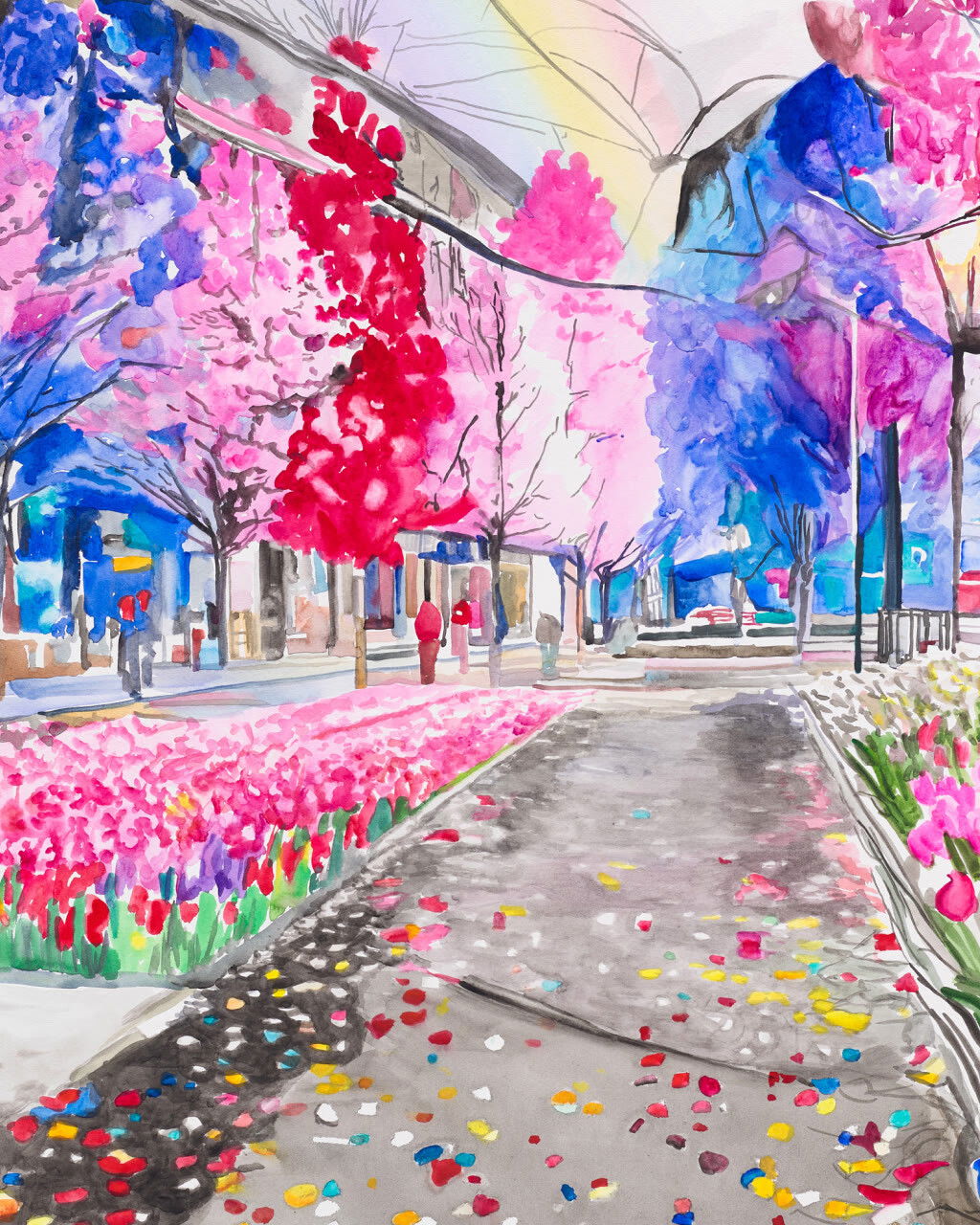
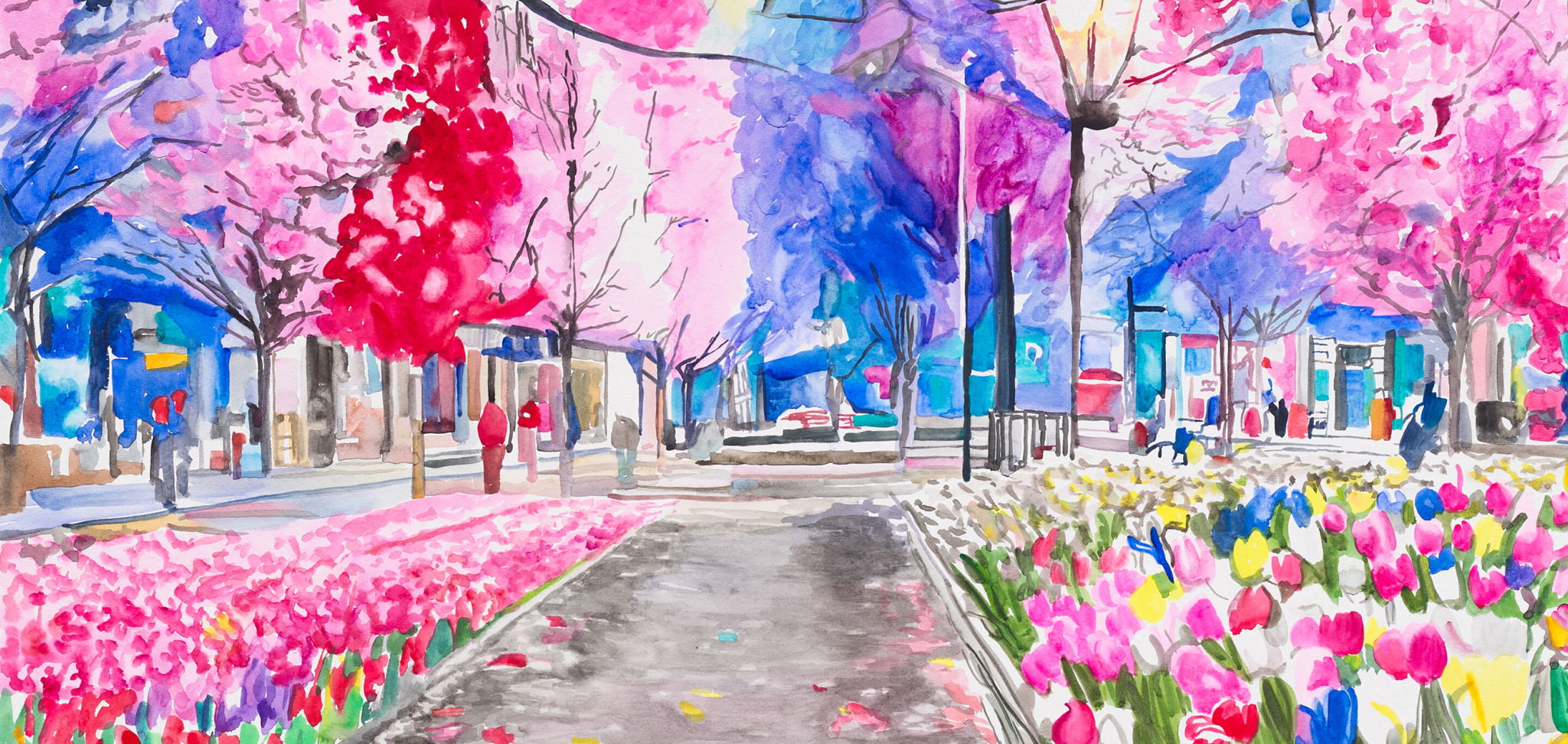
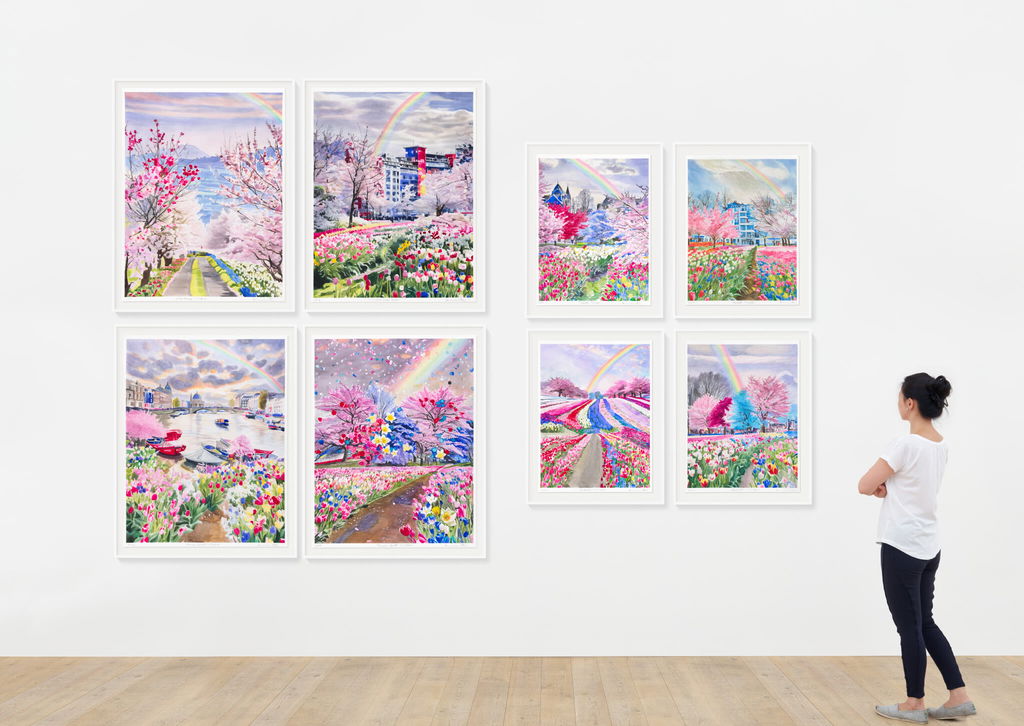
The Civilisation Watercolours by Damien Hirst are new original watercolour works on paper that reimagine the thriving urban landscapes from his The Civilisation Paintings series. The works are on display at HENI Gallery from 15 until 25 January 2026.
In The Civilisation Watercolours, Hirst explores the necessity of hope despite the complexities and challenges of contemporary civilisation, a theme first seen in his The Civilisation Paintings series. Using vibrant, optimistic colour, Hirst depicts memories or feelings of cities as bright, imagined landscapes in which flourishing plant life is set within urban environments. His scenes reveal an attempt to control the chaos of nature, observed in the planned-out pathways and curated arrangement of flora and trees. These artificial interventions in the landscapes are echoed in the grid-like structures of the buildings.
While in The Civilisation Paintings Hirst explores themes of chaos and hope with an anarchic and frenetic energy, in The Civilisation Watercolours he does so through a more meditative lens. Optimism is intertwined with transience, in part aided by Hirst’s intentional use of watercolour which lends an ethereal quality to his forms. In places, flower petals dissolve into blots or float away, leaving behind increasingly bare trees, while the tumultuous skies and shining rainbows are reminders that the world is in flux.
The original artworks are currently available by application on HENI Primary until 17:00 GMT on 26 January 2026.
Exhibition Details
Damien Hirst: The Civilisation Watercolours
Exhibition dates: 15–25 January 2026
Opening hours: Monday to Sunday, 10am–6pm
Address: HENI Gallery, 6–10 Lexington Street, London W1F 0LB
Admission: Free entry
Damien Hirst
Damien Hirst is a British artist whose name has become synonymous with contemporary art. Since his generative work as a student at Goldsmiths School of Art, Hirst's production has been boundary−redefining in nature. Working primarily in installation, painting, sculpture and drawing, Hirst explores the complex relationships between art, beauty, religion, science, life and death. He constantly returns to his foundational interests and themes, which he reworks to develop an innovative visual language.